All about bees: Nature's tiny giants
Discover the fascinating world of bees, their vital role in our ecosystem, and how you can contribute to their survival. Learn why these incredible insects are more important than you might think.
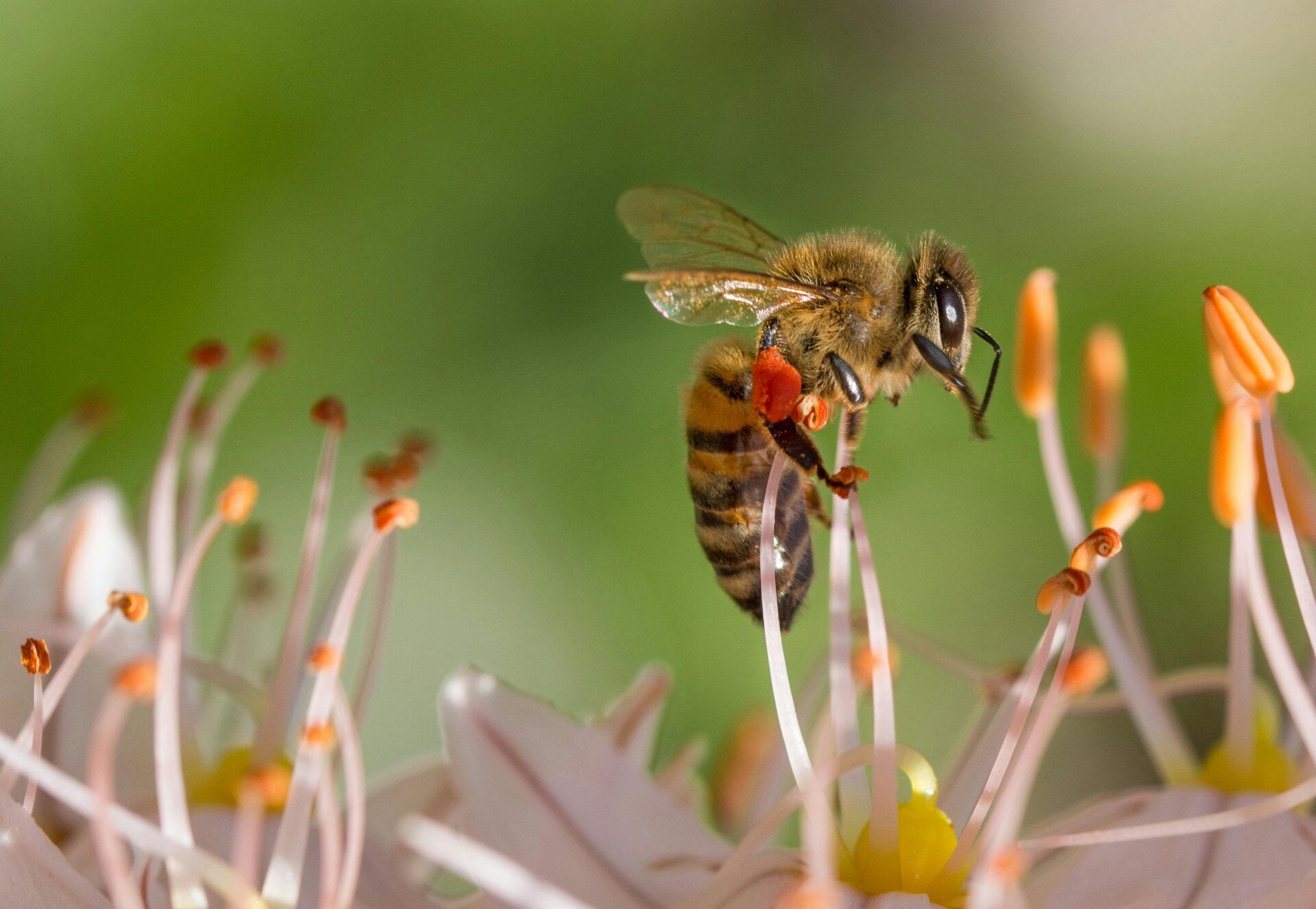
Why bees matter: The essential pollinators
Bees are a diverse group of flying insects crucial for global food production. They are responsible for pollinating a significant portion of the world's crops, directly impacting the availability and variety of fruits, vegetables, and nuts we consume daily. Without them, our agricultural systems and natural ecosystems would face catastrophic collapse.

The crisis: Threats to bee populations
Bees face an environmental crisis driven by human activity, habitat destruction, and disease, which has caused global populations to drop sharply. Scientists call this severe decline Colony Collapse Disorder (CCD) when it affects entire hives, though solitary bees are equally at risk. The survival of global bee populations is actively threatened by four interconnected factors:
-
Habitat Loss: Urban sprawl, logging, and industrial monoculture farming replace diverse wild grasslands with concrete or single-crop fields, starving bees of varied nutritional
diets.
-
Pesticides: Chemical treatments—especially neonicotinoids—are absorbed by plants and poison the nectar and pollen. These toxins damage a bee's central nervous system, causing memory loss, navigation failure, and death.
-
Parasites and Diseases: The destructive Varroa mite (Varroa destructor) acts like a vampire, latching onto bees to suck their bodily fluids while transmitting lethal viruses throughout the hive.
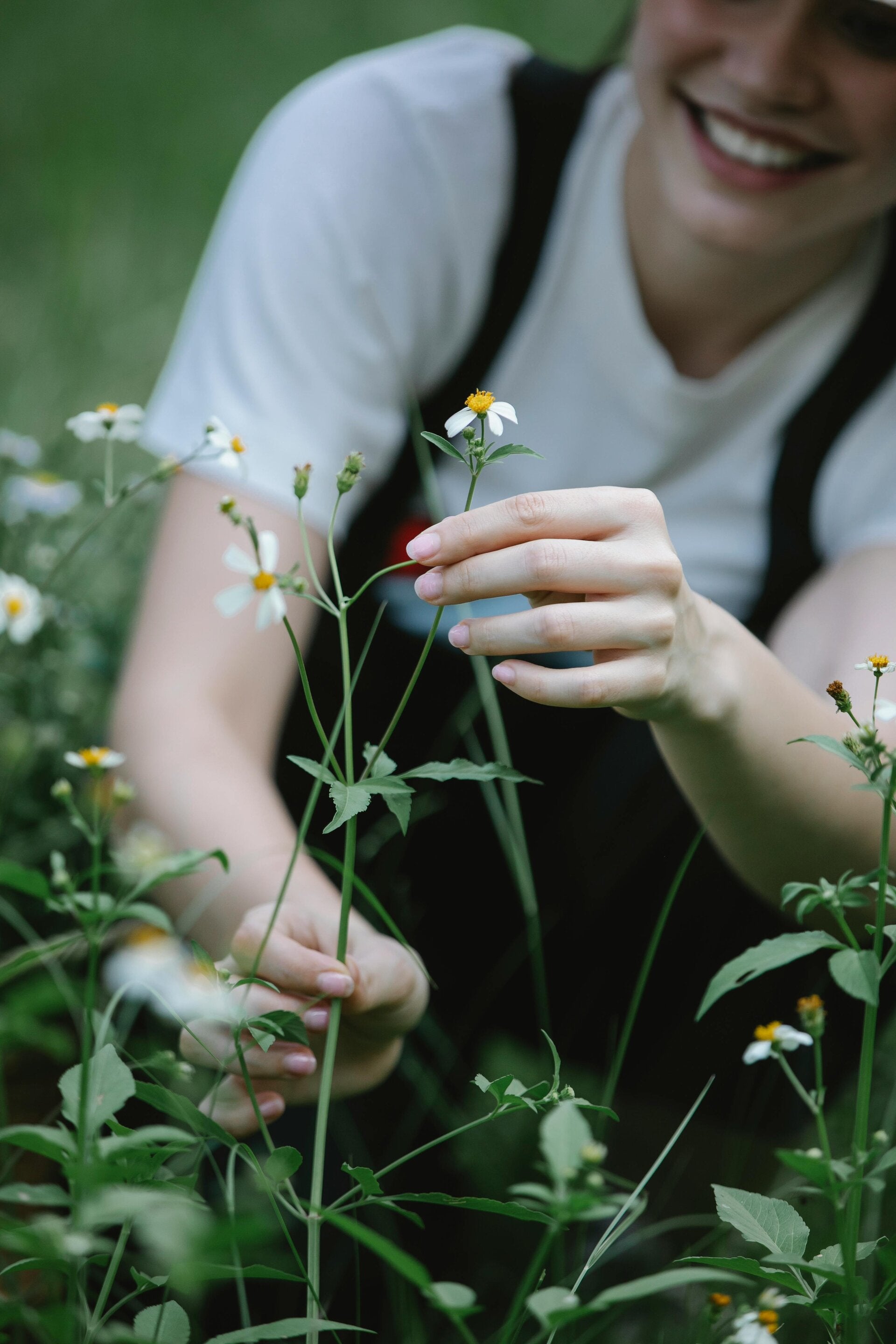
Simple actions for big impact: Supporting bees
Supporting bees can be achieved through simple adjustments to how we manage our lawns, gardens, and shopping habits. Because habitat loss and chemical use are the primary drivers of wild bee decline, creating small, safe havens allows native pollinator populations to recover naturally.
Provide food and water
- Plant native wildflowers: Grow flowers native to your region to provide optimal nutrition for local bee species that co-evolved with them.
- Ensure continuous blooms: Choose a variety of plants that bloom across spring, summer, and autumn so bees have a steady food supply.
- Embrace lawn "weeds": Let dandelions and clover grow in your lawn instead of pulling them, as they serve as vital early-season food sources.
- Build a bee bath: Fill a shallow dish with water and place pebbles or twigs inside so bees can land and drink safely without drowning.
Create nesting habitats
- Leave patches of bare soil: Over 70% of native bee species are ground-nesting. Leaving small, undisturbed areas of bare soil can provide crucial nesting sites.
- Avoid harsh chemicals: Opt for organic pest control methods or tolerate a few pests to protect bees from harmful pesticides.